

Best ad spy tools in 2026: an honest comparison of prices and platforms
LLucas Reda · 5 Nov · 10 min
The Top Scaled ranking gives each advertiser a score. Here’s how it’s calculated, why we use percentiles, and how to read the score without falling into a trap.
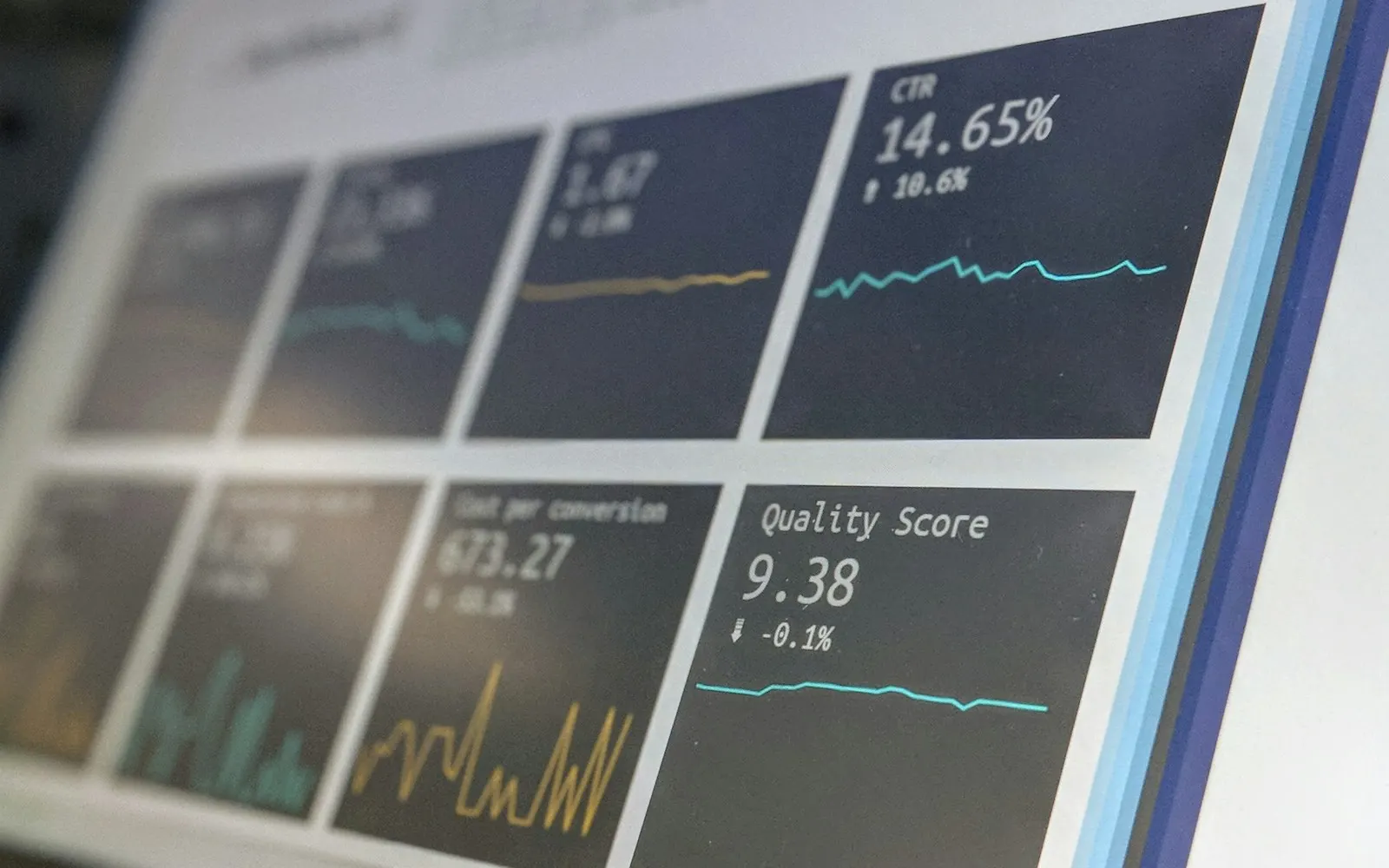
On Top Scaled, each advertiser is assigned a score from 0 to 100. It sums up in a single number how much that advertiser appears to be scaling on Meta.
This post explains what goes into that score and how to use it well.
For advertisers, the score combines six signals taken directly from the Ads Library, each with its own weighting:
Ad counts are very unevenly distributed: most advertisers have only a few ads, while a handful have hundreds. If the score used raw numbers, one giant advertiser would dominate the entire ranking and everyone else would be squeezed near zero.
That’s why the score is calculated using percentiles. A score of 90 means that advertiser is ahead of about 90% of others on that criterion. This makes it easier to compare advertisers and spot the ones that are truly outliers.
The score answers “who’s betting bigger right now.” It doesn’t answer “who’s making more profit.” No public data can show that.
Margins, cost per sale, daily ad spend, and conversion rate aren’t available in the Ads Library, so they aren’t included in the score. It’s a map of where to look first, not an investment recommendation.
The score is one of four signals; the other three are in scaled offers: how to find the ones standing right now. Today's ranking lives in Top scaled.
Everything on the blog is on the platform, with days live, copies and the original media. Free.